 AIVideoFree
Seedream 5.5 AI Image Generator
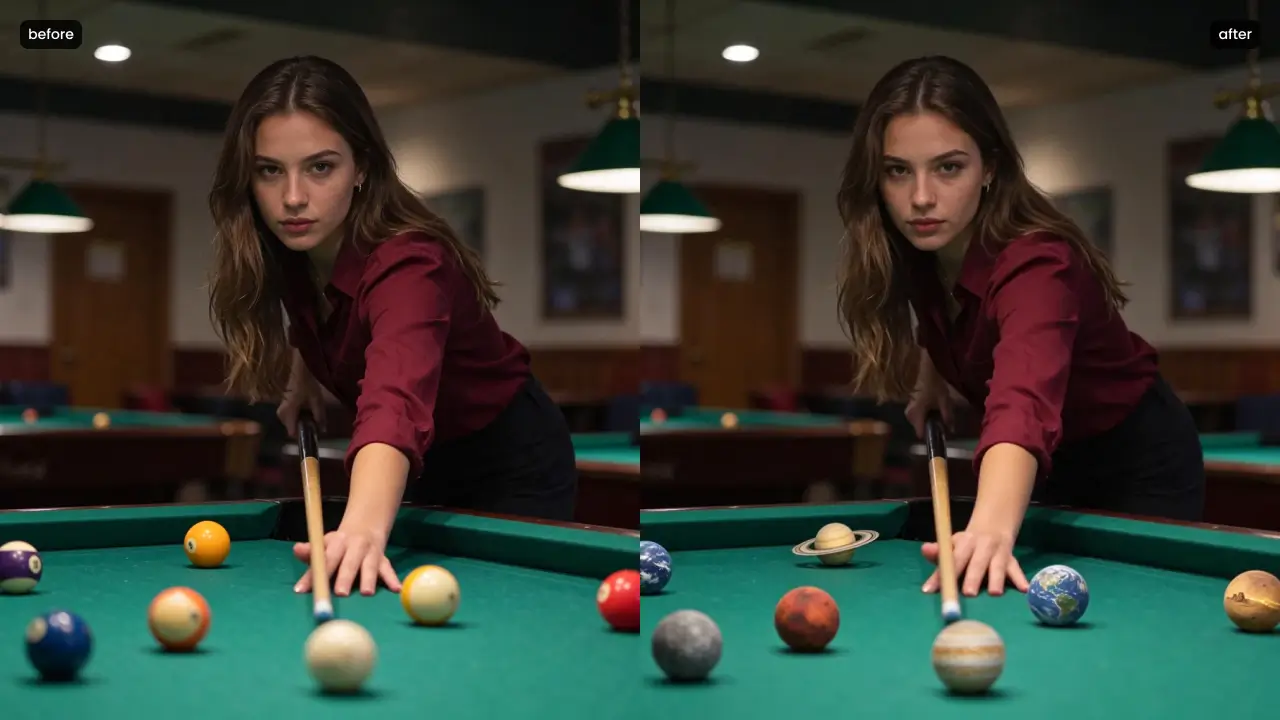
ByteDance's newest image model, wired in the week it shipped: edits that stay pixel-stable across a hundred rounds, transparent PNGs straight out of the model, and any image split into up to 99 editable layers.

Developer
ByteDance Seed
Released
Nov 9, 2026
Succeeds
Seedream 5.0 Pro
Editing
Pixel-stable across 100+ rounds
Transparency
Native RGBA output
Layers
Split into up to 99 PNG layers
Text distortion
0.4% severe · 1.7% slight
Our one-line verdict: the long-edit pick. Most image models degrade the further you push them; this one is built to survive the hundredth revision — and hand you the layers when you're done.
Seedream 5.5 arrived on November 9th from ByteDance's Seed team, as the successor to the July flagship, and it's aimed squarely at the part of image work that usually breaks: the twentieth revision. ByteDance's headline claim is pixel-level stability in multi-round editing — areas you didn't ask to change stay put across a hundred-plus edit rounds, rather than slowly drifting, softening or shifting colour. Around that sit two production features: native transparent PNG output, so cut-outs come straight from the model, and layer decomposition that splits an image into an opaque base plus up to 99 editable transparent layers, with text layers optionally OCR'd. It's rolling out across Dreamina, CapCut and ByteDance's cloud platforms, with a Pro variant promised later. It's days old, so read the comparisons below as first-week reporting.
Where Seedream 5.5 wins — and where it doesn't
Judged from our own renders and the published record, revised as the facts move — that's a feature of this page, not a disclaimer.
Genuinely strong
• A hundred rounds without drift.
Unedited areas stay pixel-stable across 100+ revisions. Every other model degrades a little each pass — softening, colour shift, creeping changes — and this is the specific failure ByteDance built the release to fix.
• Transparent output, natively.
RGBA PNGs come straight out of the model. Product cut-outs, stickers and overlay graphics no longer need a background-removal pass afterwards.
• Ninety-nine layers.
Split any image into an opaque base plus up to 99 editable transparent PNG layers, with optional OCR on text layers. Seedream 5.0 Pro offered ten; this is a different order of tool.
• Text that holds up.
ByteDance reports severe text distortion at 0.4% and slight distortion at 1.7% across Chinese, English and dense small text — the numbers that matter for packaging, posters and UI work.
Known limits
• The benchmarks are ByteDance's, and slightly dated.
Its own evaluations claim wins over GPT Image 2.5 Sunburst and Nano Banana 2.1 on text structure and realism — but GPT Image 2.6 shipped five days earlier and wasn't in the comparison. Treat the head-to-head as provisional.
• Days old.
Released November 9. Everything here traces to ByteDance's announcement, early API documentation and our first renders. No independent testing exists yet.
• A Pro version is coming.
ByteDance says a Pro variant follows later, matching the 5.0 Pro naming. If you're choosing a long-term production model, it may be worth knowing what that adds before committing.
• Rollout is mostly in-house.
Dreamina, CapCut, Doubao and ByteDance's cloud platforms get it first. Third-party access exists, but expect capacity and pricing to settle over the first few weeks.
Three prompts that show what it's for
Copy into the generator above, swap the brackets, render.
The hundred-round poster
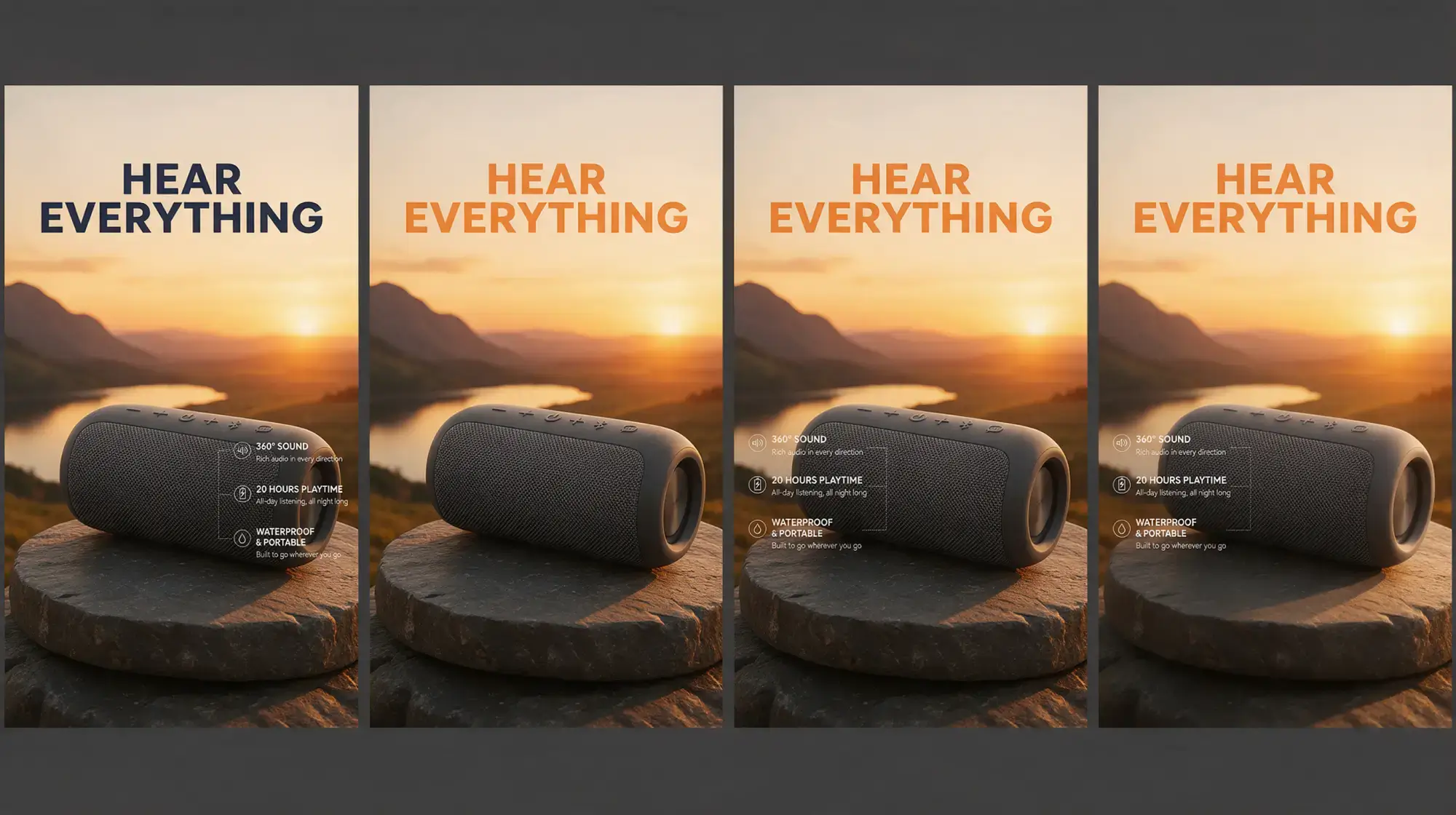
"A launch poster for [a bluetooth speaker]: product centred, headline '[HEAR EVERYTHING]' in the top third, three feature callouts, warm gradient background." Then one change per round: headline colour → background to dusk → callouts left → product shadow softer → …
The point is the length of the session, not any single edit. Keep going — the release is built so that round thirty looks as clean as round three, with the product untouched throughout. The demo beside the generator is this sequence.
The transparent cut-out
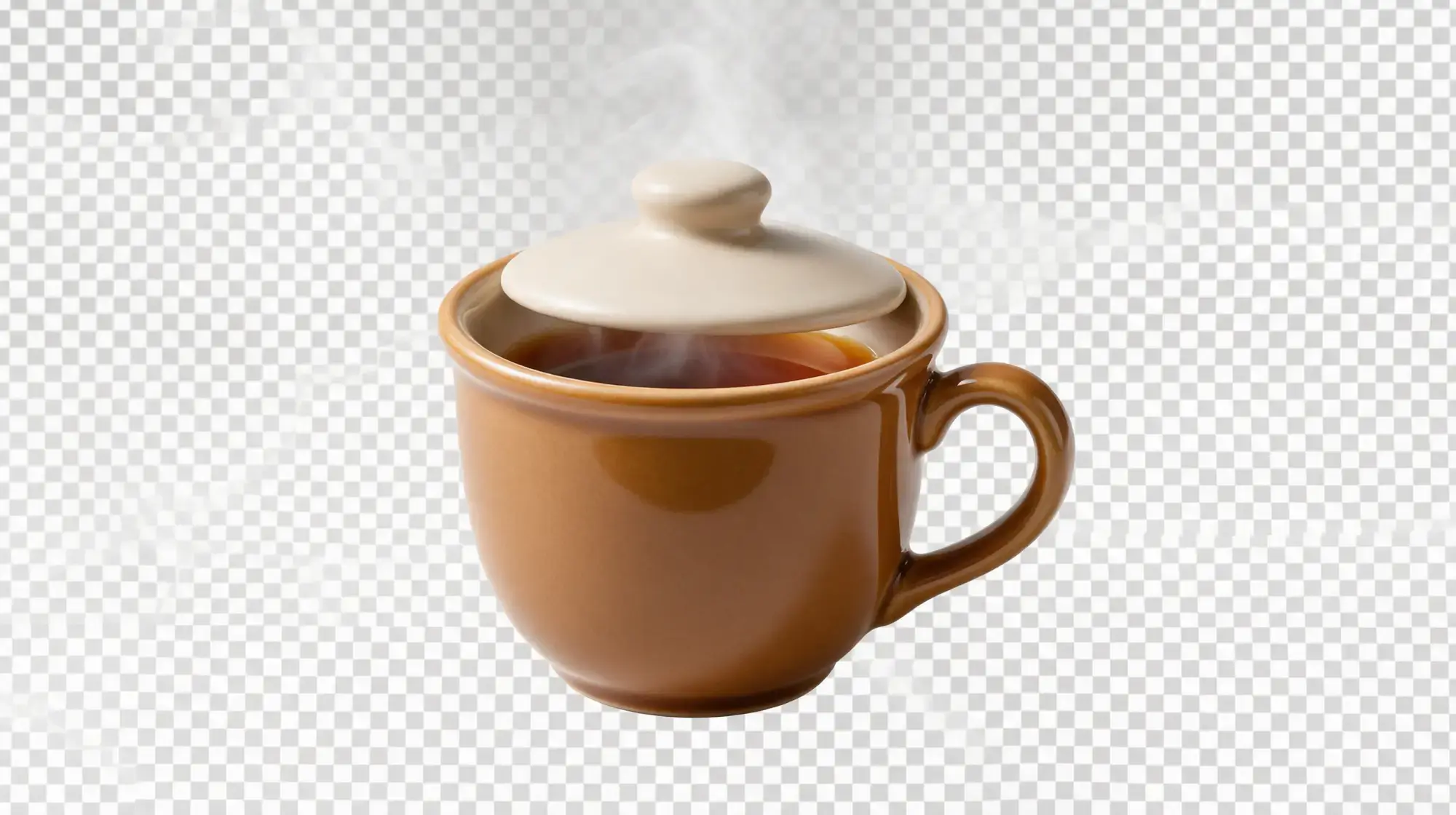
"[A ceramic coffee cup] with steam, three-quarter view, soft studio light — transparent background, no shadow plate."
Native RGBA means the cut-out is the output, not a step after it. Ask for 'no shadow plate' if you'll composite it yourself; leave it off if you want a natural contact shadow baked in.
The full layer split
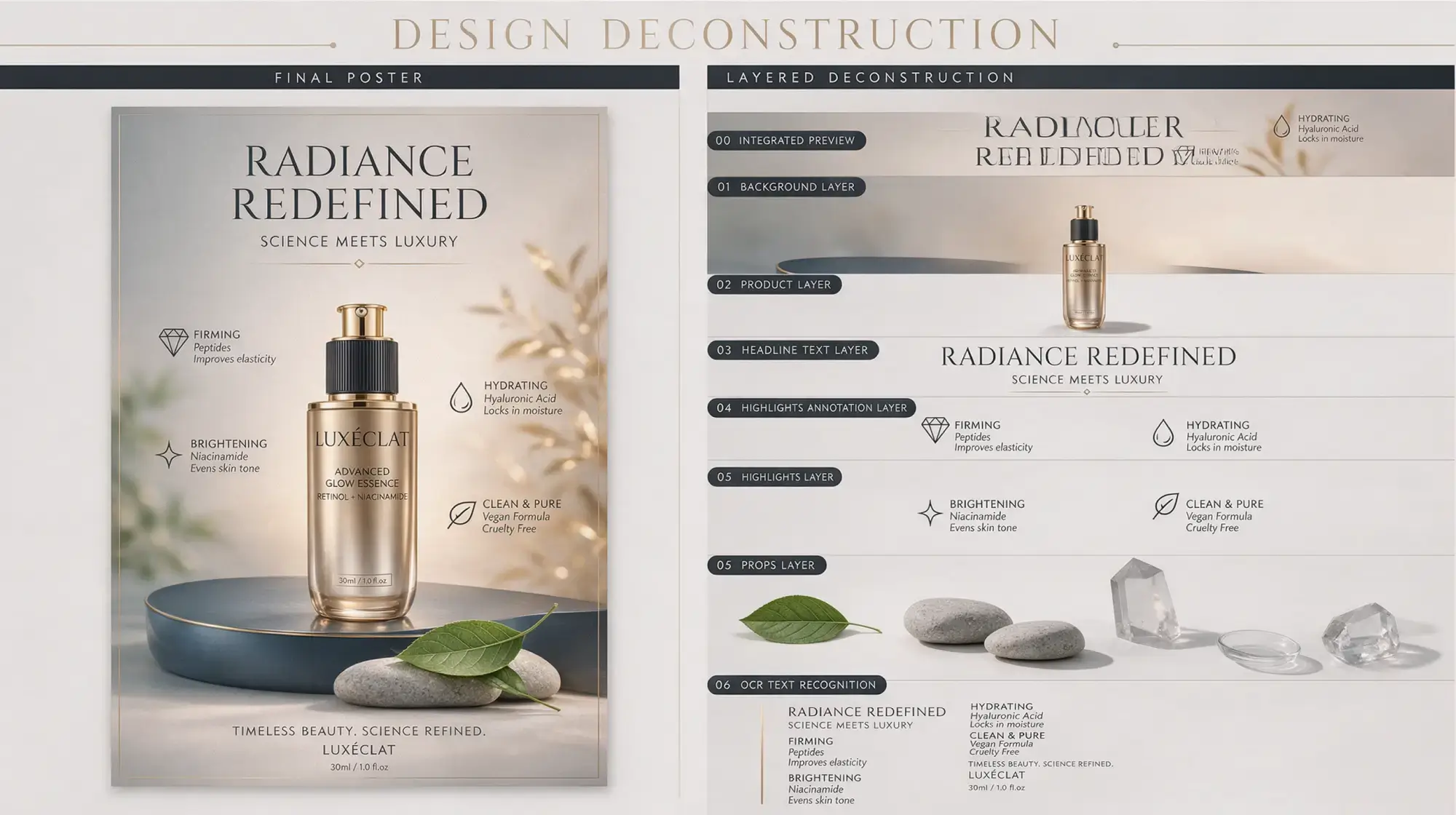
Upload any finished image → "Decompose into layers: background, product, headline text, each callout, props. OCR the text layers."
Naming the layers you want controls how the split lands. OCR on text layers means headlines arrive as editable text rather than pixels — the localisation and revision workflow in one step.
Seedream 5.5 vs Seedream 5.0 Pro vs GPT Image 2.6
The upgrade decision, plus OpenAI's release from the same week. Same prompts across all three, judged by what we'd ship — provisionally for both newcomers. All three selectable in the generator above.
How it got here
Seedream 5.5 questions, answered straight
ByteDance's newest image generation and editing model, released November 9, 2026 by the Seed team as the successor to Seedream 5.0 Pro. Its three headline upgrades are pixel-stable editing that survives 100+ rounds, native transparent RGBA output, and layer decomposition that splits an image into up to 99 editable PNG layers. ByteDance positions it as a production-grade 'AI Photoshop'.


