 AIVideoFree
Nano Banana 2.1 AI Image Generator
Google's newest everyday image model, wired in the week it shipped: better mask-based editing and subject consistency, 4K output, and roughly half the price of the model it replaces.
Developer
Google DeepMind
Released
Oct 6, 2026
Base
Gemini 3.6 Flash
API ID
gemini-nano-banana-2.1
Output
Up to 4K · ratios to 8:1
References
Up to 14 images
Thinking
Minimal · medium · high
Our one-line verdict: the new default. Better editing, wider frames and 4K at about half what the last one cost — and the model Google itself recommends as the replacement for Nano Banana 2.
Nano Banana 2.1 arrived on October 6th as a straight upgrade to the model that had been Google's default since February, and the headline is unusual: it's better and it costs about half as much. Google reports gains across visual design, mask-based editing, subject consistency and panoramic framing, with a configurable thinking level that trades latency for quality and grounding that can fact-check against Google Search and Image Search before it draws. One piece of timing that matters more than the specs: Google is shutting down the previous model's API on October 29th and names this one as the replacement, so this isn't an optional upgrade for anyone running the old ID. It's days old, so read everything below as first-week reporting.
Where Nano Banana 2.1 wins — and where it doesn't
Judged from our own renders and the published record, revised as the facts move — that's a feature of this page, not a disclaimer.
Genuinely strong
• Roughly half the price.
Google's developer pricing puts a 1K image around $0.034 against about $0.067 before, and 4K around $0.076 against $0.151, with batch work discounted further. A rare generation where the cheaper option is also the better one.
• Mask-based editing.
Define an area and change only what's inside it. Google calls this out as one of the biggest leaps over the previous version, and it's the feature that makes conversational editing predictable rather than hopeful.
• Wide and panoramic frames.
Aspect ratios up to 8:1, which the previous model handled poorly. Banners, site headers and panoramic scenes stop requiring a crop-and-pray workflow.
• Fourteen references, thinking on a dial.
Up to 14 reference images, with minimal, medium and high thinking levels so you can spend latency where it matters and skip it where it doesn't.
Known limits
• Pro still looks better in real use.
Google positions 2.1 as the efficient counterpart to Nano Banana Pro, not its replacement — and side-by-side coverage of the launch notes Pro's colour and proportions still read more naturally. Benchmarks and eyes disagree here; trust your eyes.
• The benchmark numbers are Google's own.
The reported preference scores — 1,050 with thinking against 990 for Nano Banana 2 and 935 for Pro — come from Google's own evaluations. Independent testing hasn't landed yet, and we'll revise this page when it does.
• Days old.
Released October 6. Everything here traces to Google's model card, launch coverage and our first renders. Treat superlatives as provisional.
• SynthID is always on.
Like the whole Google line, every output carries the invisible provenance watermark.
Three prompts that show what it's for
Copy into the generator above, swap the brackets, render.
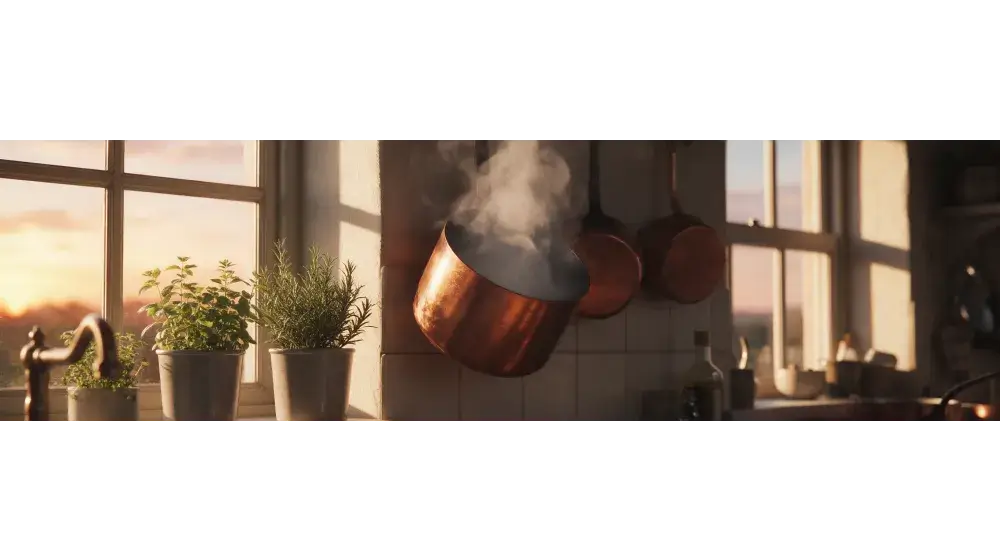
The panorama that used to need a crop
"An 8:1 panoramic [kitchen] scene at golden hour: copper pans on a rail, steam rising from a pot, herbs on the windowsill, warm light raking across the counter."
Extreme aspect ratios are the clearest visible upgrade — ask for the shape you actually need rather than generating 16:9 and cropping. The demo beside the generator is this prompt.
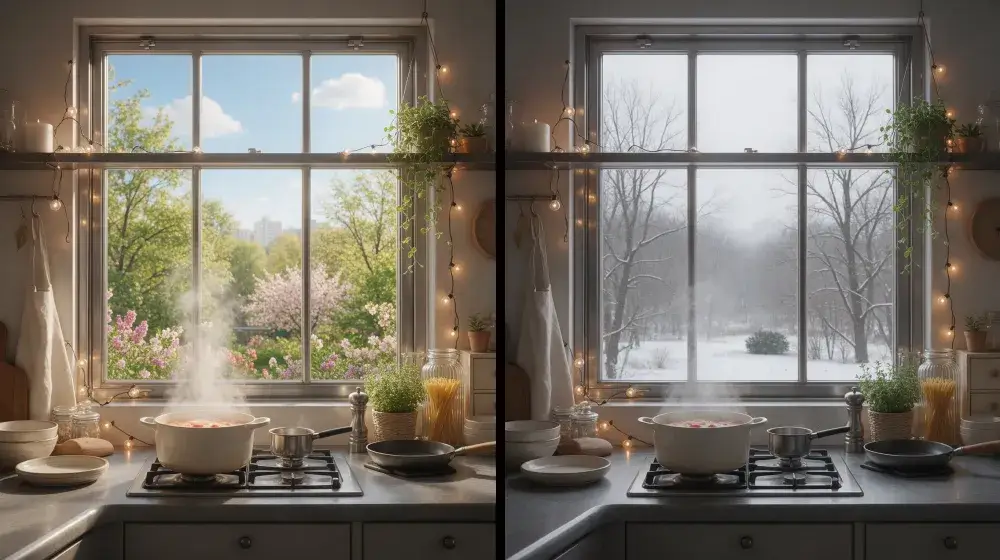
The masked change
Generate or upload, then mask the window → "Change the view outside to winter — bare trees, grey light. Keep everything inside the room identical: the pans, the steam, the herbs, the light on the counter."
A mask carries the where so the prompt only carries the what, and naming what stays protects the rest. This is the workflow the 2.1 update was built around.
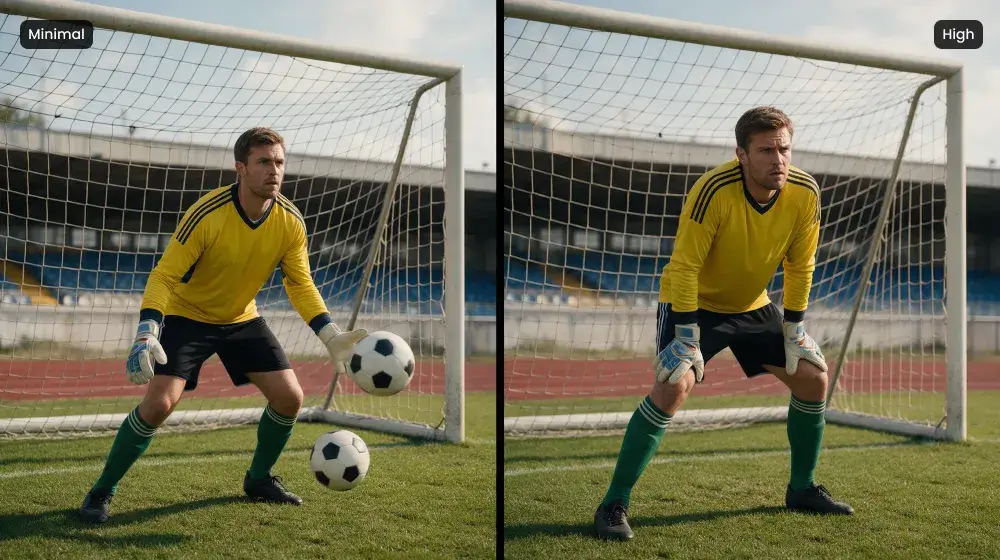
Thinking, used deliberately
Draft at thinking: minimal → re-render the keeper at thinking: high.
The thinking dial is a cost control, not a quality switch to leave maxed. Explore cheap and fast, then spend the latency once on the render you're keeping.
Nano Banana 2.1 vs Nano Banana Pro vs GPT Image 2.5
The new default against Google's own top tier and OpenAI's current model. Same prompts across all three, judged by what we'd ship — provisionally for the newcomer. All three selectable in the generator above.
How it got here
Nano Banana 2.1
(gemini-nano-banana-2.1) — built on Gemini 3.6 Flash: mask-based editing, subject consistency, 8:1 panoramas, 4K, configurable thinking, Search grounding, at roughly half the previous price. The version in the generator above.
Nano Banana 2
(Gemini 3.1 Flash Image) — Google's default since February, with its API scheduled for shutdown on October 29, 2026 and 2.1 named as the replacement. Its page stays up for the version-keyword traffic.
Nano Banana Pro
(Gemini 3 Pro Image) — still the top tier for the hardest professional work, and the model 2.1 is positioned as the efficient counterpart to rather than a replacement for.
Nano Banana 2.1 questions, answered straight
Google's newest image generation and editing model, released October 6, 2026 under the API ID gemini-nano-banana-2.1 and built on Gemini 3.6 Flash. Google reports improvements across visual design, mask-based editing, subject consistency and wide-format framing, with up to 14 reference images, 4K output, aspect ratios to 8:1, Search grounding and three thinking levels.

