 AIVideoFree
GPT Image 2.5 AI Image Generator
OpenAI's newest image model, wired in the week it shipped: up to 50% faster, more natural light and texture, and edits that hold their subject across turn after turn. Type a prompt below and try it.
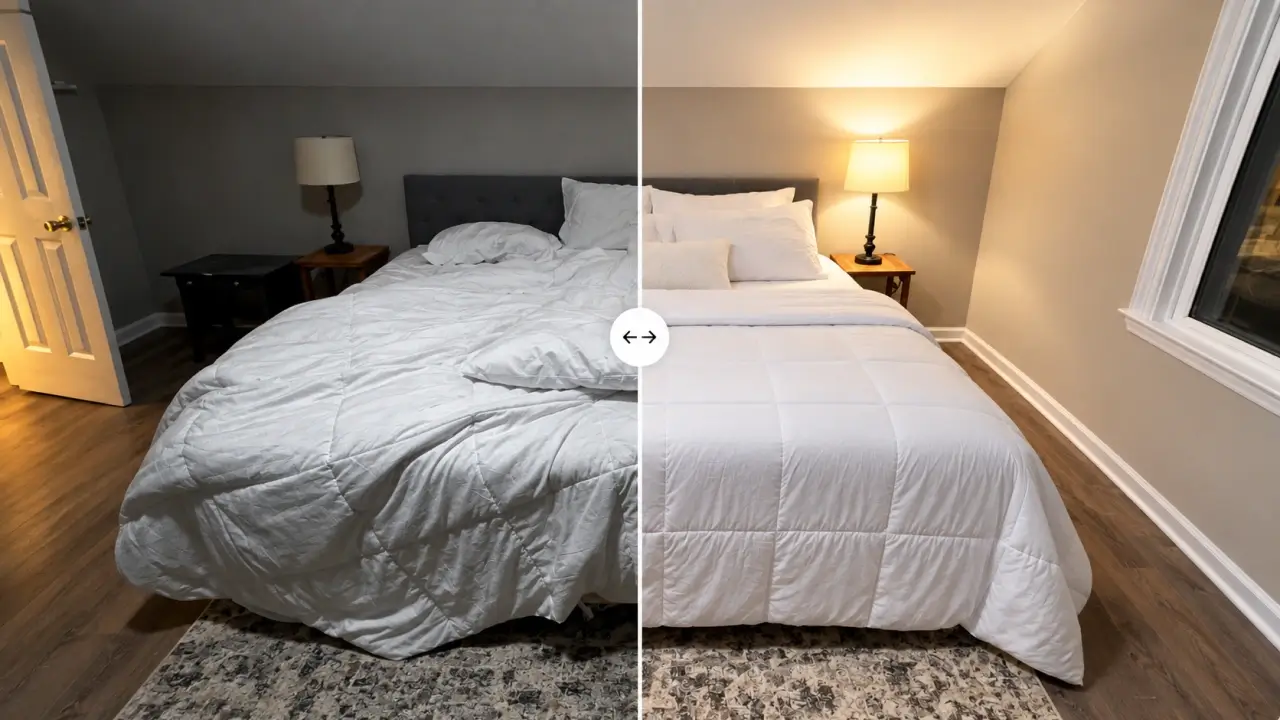
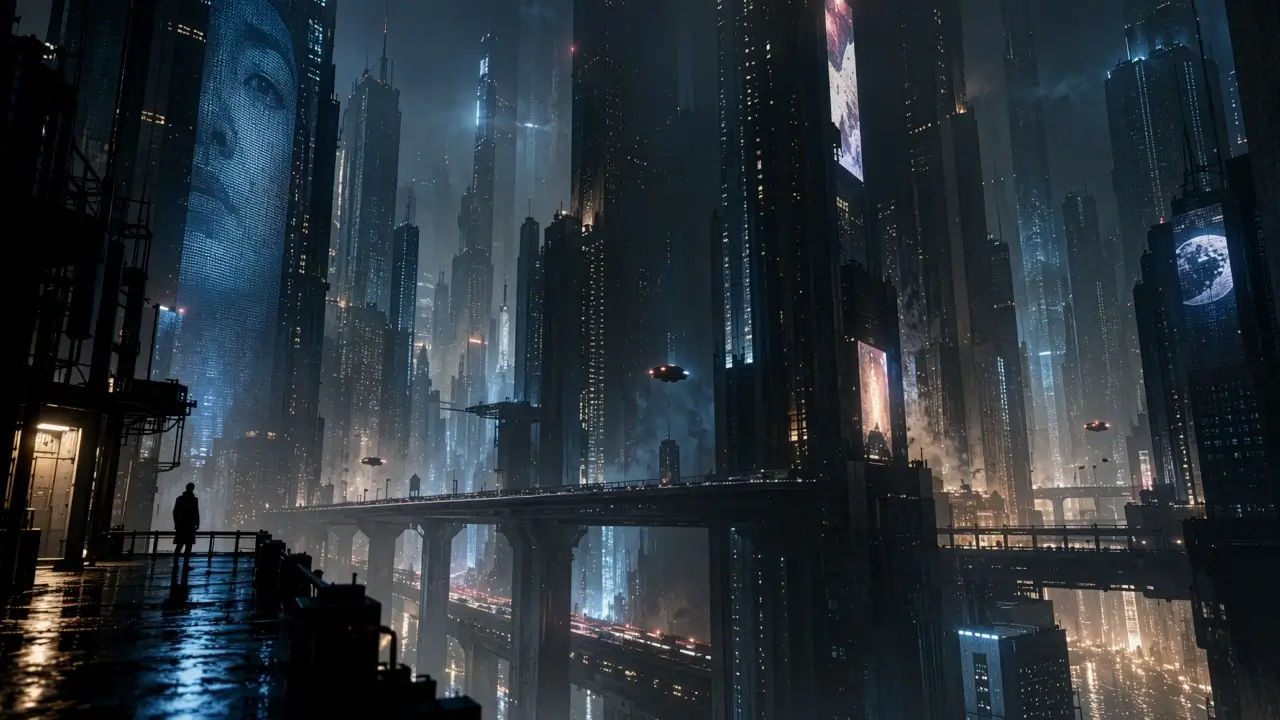
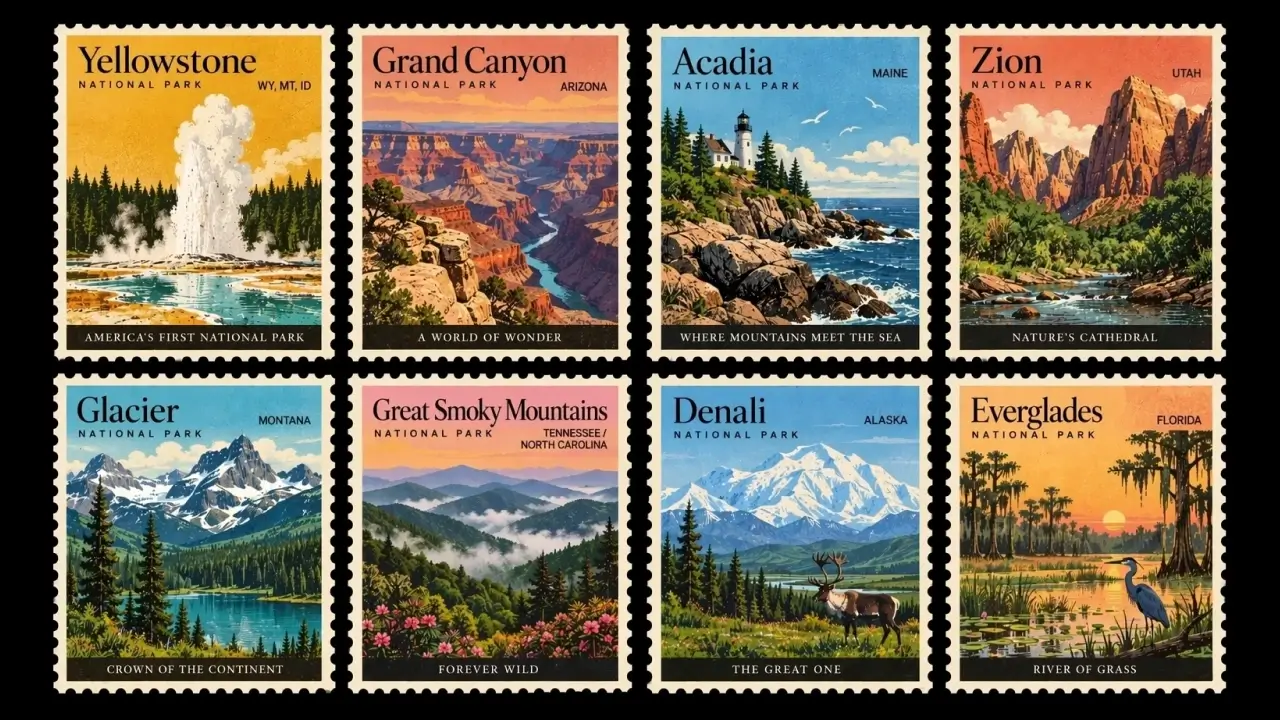
Developer
OpenAI
Released
Sep 8, 2026
Ships as
ChatGPT Images 2.5
API tiers
gpt-image-2.5-flare · -sunburst
Speed
Up to 50% lower latency
Editing
Multi-turn, subject-preserving
Predecessor
Our one-line verdict: the iteration pick, as of this week. Same family that plans before it draws — now fast enough, and stable enough across turns, that refining an image stops feeling like re-rolling it.
GPT Image 2.5 landed on September 8th, five months after GPT Image 2, and it is deliberately not a new-capabilities release: it's the one that makes the previous one usable at pace. OpenAI cut generation latency by up to half, warmed up the lighting and texture rendering, and — the change that matters most in practice — made subjects from your reference photos stay recognizable while edits accumulate turn after turn. Two API tiers ship with it: Flare, the default, delivering the quality and speed gains for everyday work, and Sunburst, which trades time for precision on detailed creative jobs. Both are in the generator above. It's days old, so treat everything below as first-week reporting; we'll revise as independent testing lands.
Where GPT Image 2.5 wins — and where it doesn't
Judged from our own renders and the published record, revised as the facts move — that's a feature of this page, not a disclaimer.
Genuinely strong
• Multi-turn edits that hold.
Instructions accumulate across turns without the subject drifting — the failure that made AI image editing feel like gambling. Four rounds of 'change only this' and the face, product or logo is still itself.
• Half the wait.
Up to 50% lower latency than the previous generation. Speed changes what you attempt: iterating five variations stops being a coffee-break decision.
• Reference subjects stay recognizable.
People and products from your uploads keep their distinctive features across different settings and visual styles — the specific weakness OpenAI targeted in this release.
• Natural light, richer texture.
The aesthetic delta is real: warmer, less plastic lighting and surfaces that read as materials. Product and portrait work benefits most.
Known limits
• Days old, zero independent testing.
Launched September 8. Every claim on this page traces to OpenAI's announcement plus our own first renders — no arena scores, no third-party benchmarks yet. We'll update this section when there are.
• Two tiers means a decision.
Flare or Sunburst isn't automatic: Sunburst spends the latency win back in exchange for precision. Defaulting to Flare and escalating only detailed work is the sane pattern — but it is a choice you now have to make.
• A refinement, not a leap.
No new resolution ceiling, no new modality — this is quality, speed and editing stability on the same foundation. If GPT Image 2's output already fit your brief, the upgrade is comfort, not capability.
• Still no web grounding.
Like its predecessor, it reasons from knowledge rather than live search. A current product or this-week's news visual can come back dated; Nano Banana 2's image-search grounding still owns that lane.
Three prompts that show what it's for
Copy into the generator above, swap the brackets, render.
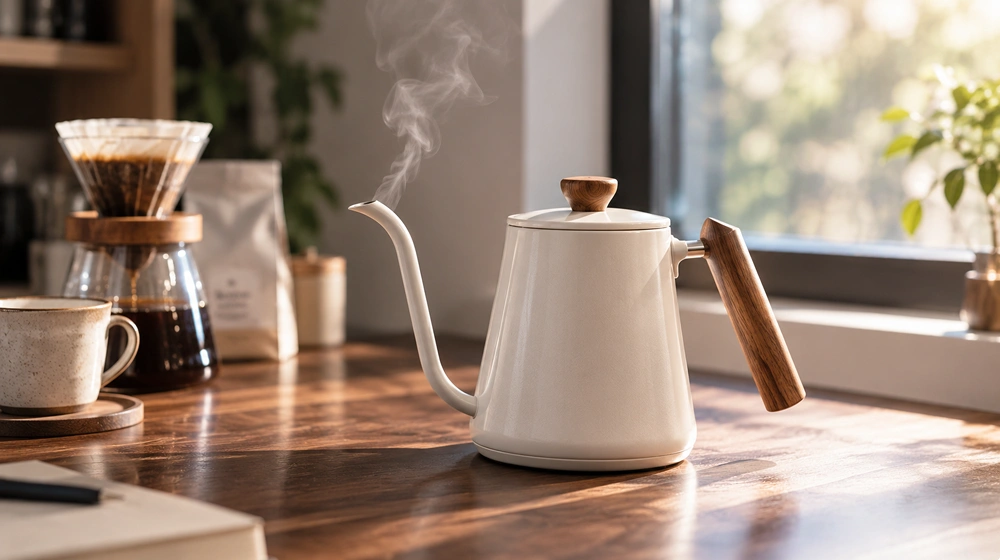
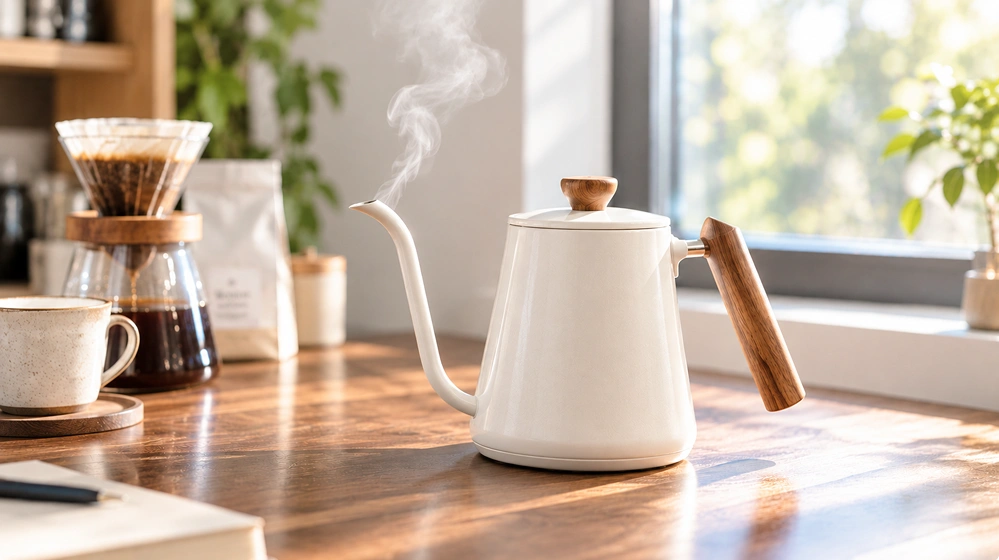
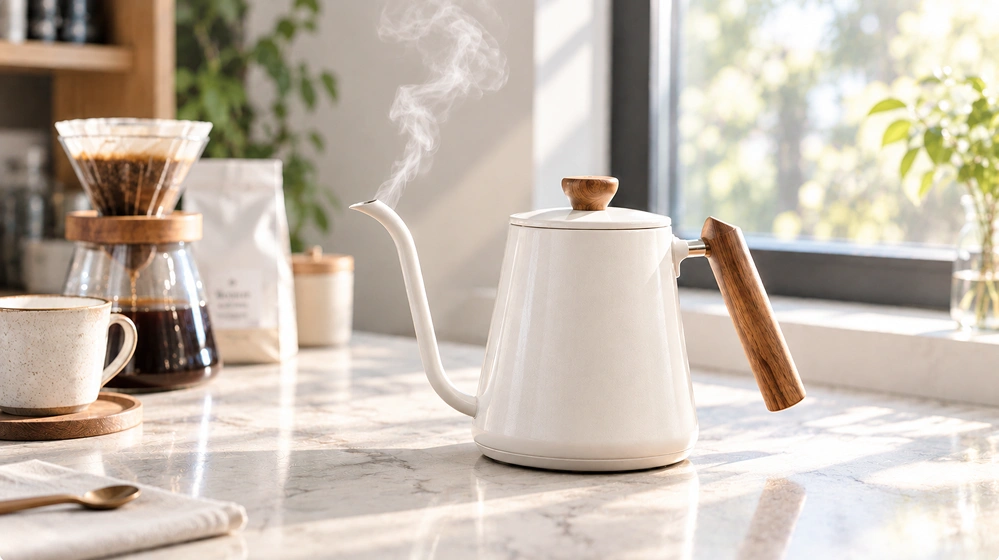
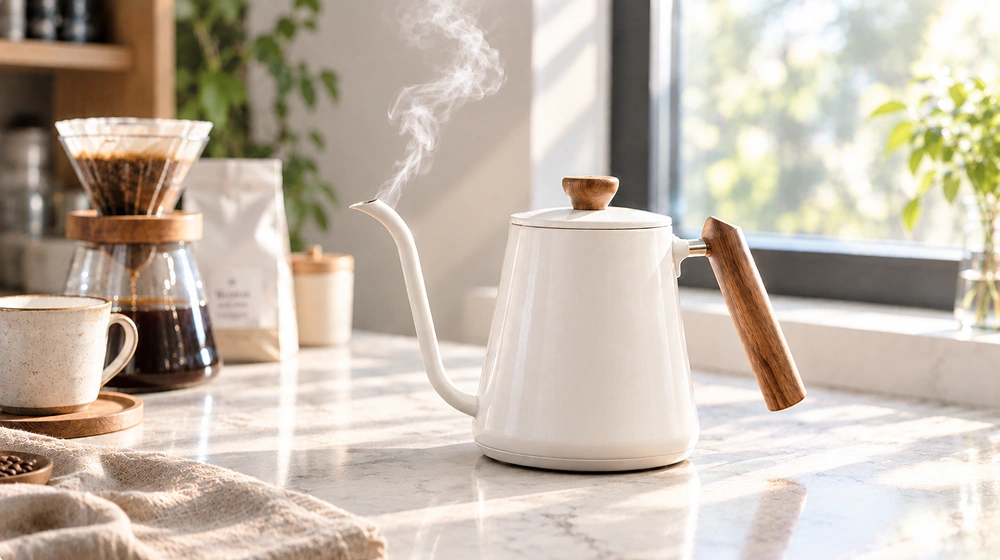
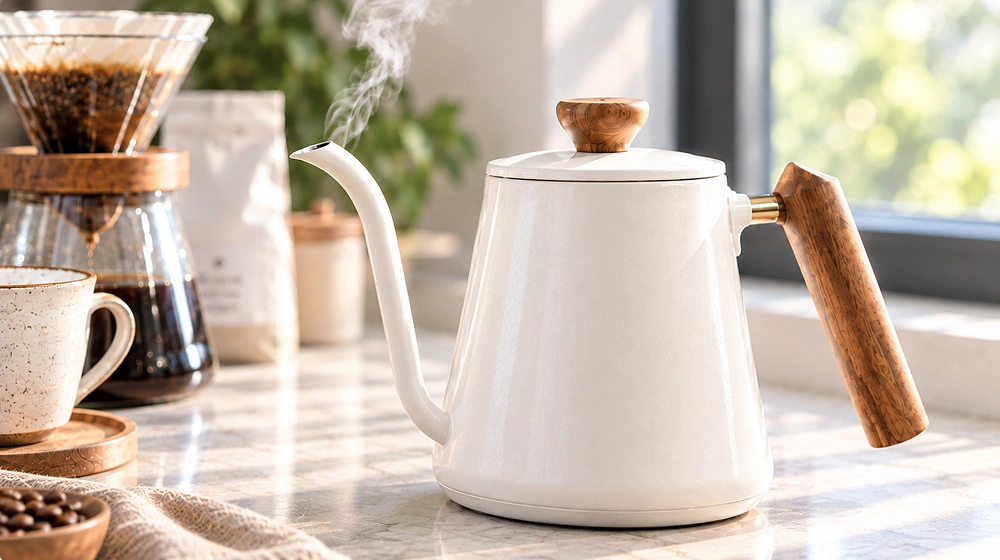
The four-turn refinement
"A product photo of [a ceramic pour-over kettle] on a walnut counter, morning window light, steam rising, shallow depth of field." Then, one per turn: "warm the light one stop" → "swap the counter for pale marble" → "add a linen cloth at the left edge" → "tighten to a three-quarter close-up."
Small single-change turns are what the 2.5 update was built for — each instruction lands without the previous ones unravelling. The demo beside the generator is these four turns, unretouched.
The reference-subject campaign
Upload: 2–3 photos of your [product or model]
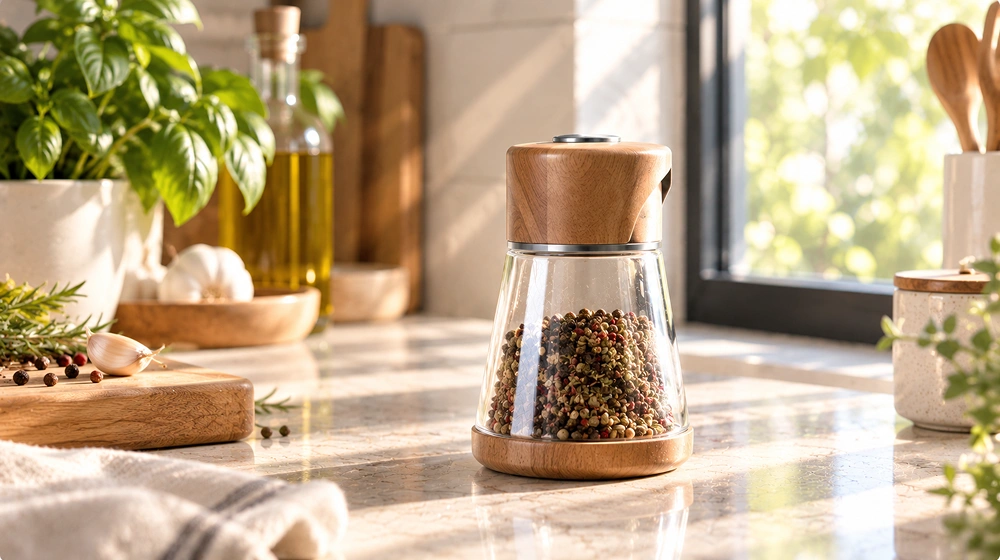
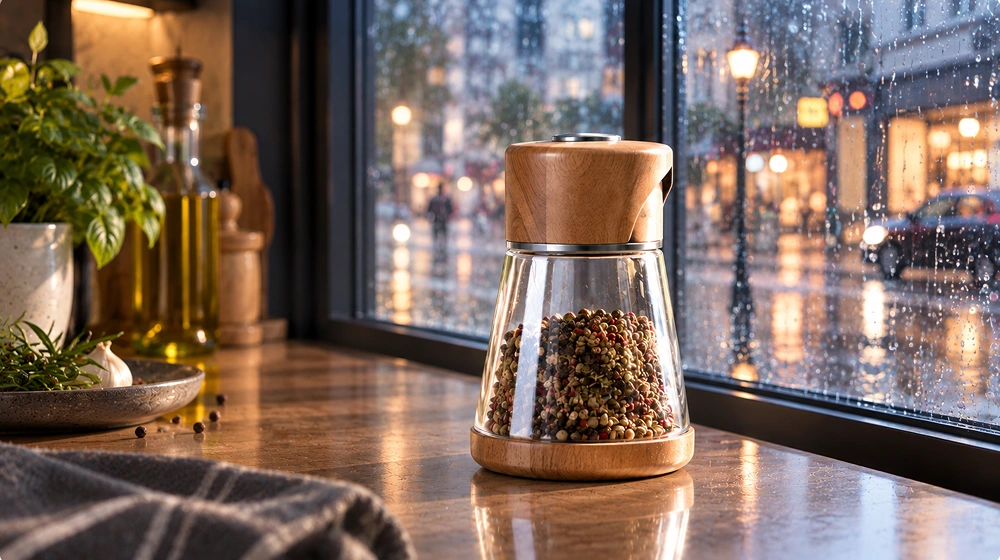
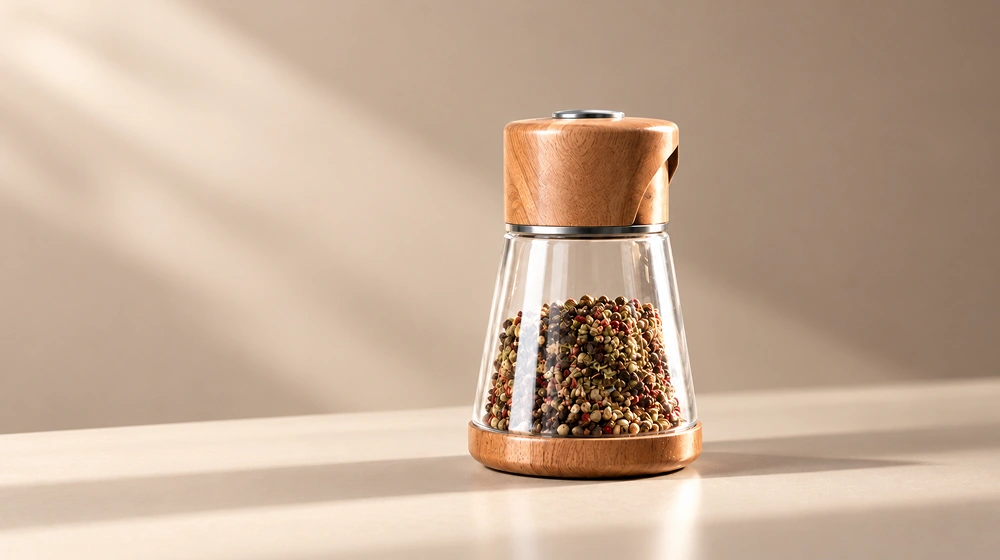
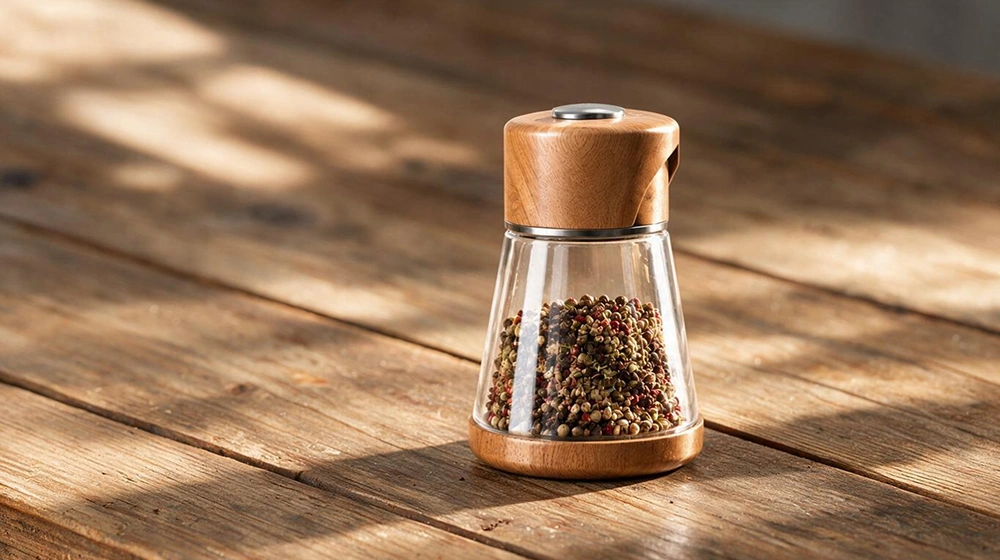
"Place the subject in four settings: a sunlit kitchen, a rainy street window, a studio seamless, a wooden workbench. Same subject, distinctly recognizable in every one, lighting appropriate per scene."
Preserving a subject across styles and settings is this release's headline fix. Naming both requirements — recognizable subject, scene-appropriate light — is what stops it flattening the four shots into one look.
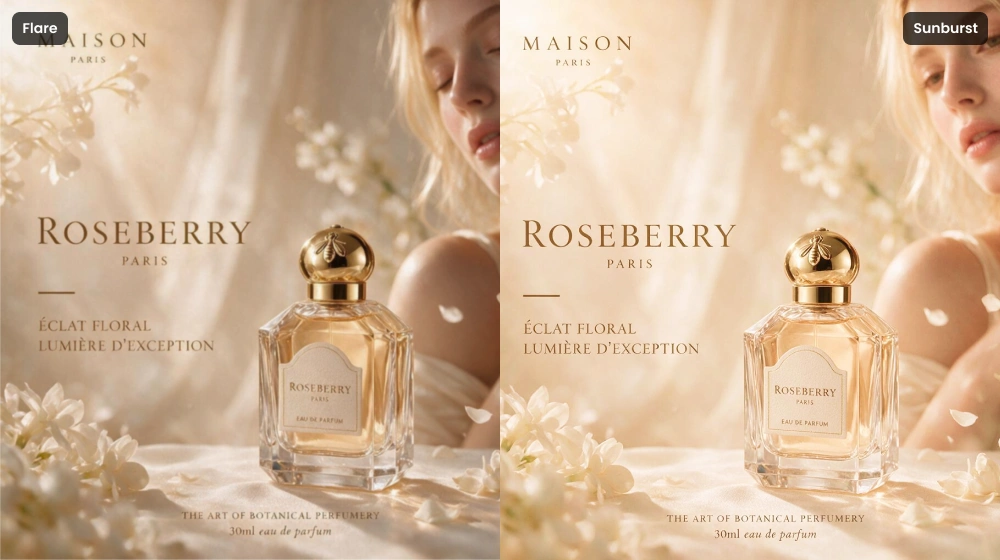
The Flare-then-Sunburst handoff
Iterate on Flare until the composition is right → re-render the final prompt on Sunburst.
Cheap fast passes to find the shot, one slow precise pass to finish it — the same ladder logic this whole site runs on, now available inside a single model family.
GPT Image 2.5 vs GPT Image 2 vs Nano Banana 2
The upgrade decision, plus the speed rival it has now closed on. Same prompts across all three, judged by what we'd ship — provisionally for the newcomer. All three selectable in the generator above.
How it got here
GPT Image 2.5
ChatGPT Images 2.5: up to 50% lower latency, natural lighting and richer textures, subject-preserving multi-turn editing, comment-based edits and Sketch input in ChatGPT; API as gpt-image-2.5-flare and gpt-image-2.5-sunburst. The version in the generator above.
GPT Image 2
the reasoning generation: native thinking, #1 across every arena category by +242 within twelve hours, 2K output and 8-image batches. Still selectable here; its page covers the details.
DALL·E retired
the family that started mainstream AI images left ChatGPT for good, with the GPT Image line as its successor. If you came searching for DALL·E, this is where the road ends up.
GPT Image 2.5 questions, answered straight
OpenAI's newest image model, released September 8, 2026 as ChatGPT Images 2.5. It's a refinement of GPT Image 2 rather than a new architecture: up to 50% lower generation latency, more natural lighting and richer textures, better preservation of subjects from your reference photos, and editing instructions that hold reliably across multiple turns. In the API it ships as two models — gpt-image-2.5-flare and gpt-image-2.5-sunburst.


